Fall Prevention for Seniors: Can Chiropractic Care Help?
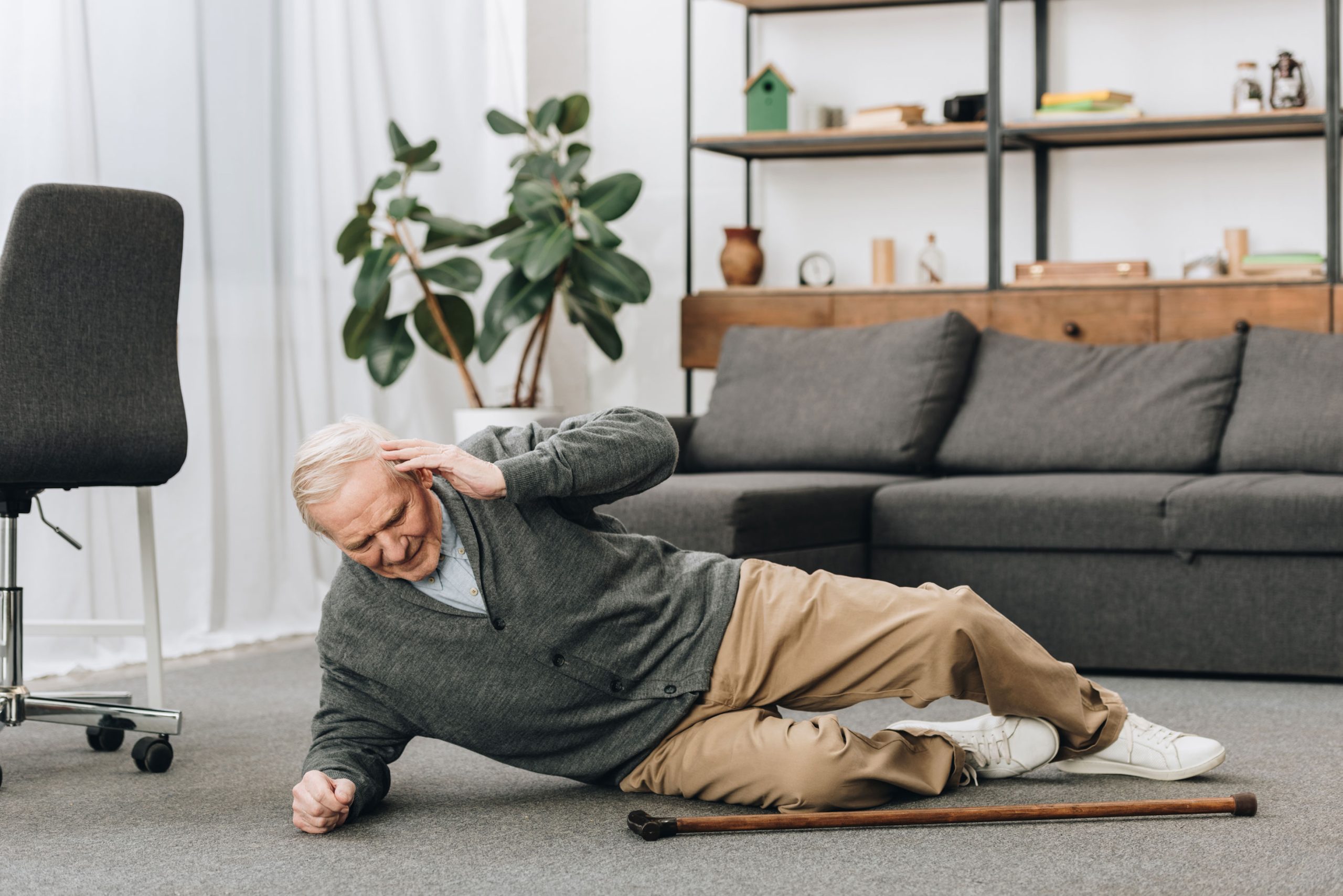
Falls remain one of the most significant health concerns for older adults, with statistics showing they are the leading cause of injury among seniors. The consequences of falls extend beyond the immediate injury—they often lead to reduced mobility, decreased independence, and a diminished quality of life.
As we age, several body systems that help maintain balance and coordination undergo changes. The good news is that many of these changes can be addressed through proper care, including chiropractic treatment. So, let’s take a closer look!
How Chiropractic Care Improves Balance and Coordination
Balance involves complex interplay between your brain, sensory systems, and musculoskeletal structure. Chiropractic care addresses several key components of this system.
The spine houses the nervous system, which serves as the communication highway between your brain and body. When spinal vertebrae become misaligned, these communication pathways can be compromised, potentially affecting balance and coordination. Through gentle adjustments, chiropractors help restore proper alignment, allowing your nervous system to function more effectively.
Many seniors experience a forward head posture or rounded shoulders as they age. These postural problems shift your center of gravity forward, making you more likely to fall. Chiropractic adjustments help correct these postural issues, improving your body’s natural balance points.
Additionally, joint restrictions in the spine, hips, and extremities can limit range of motion and make movement less fluid. Chiropractors use targeted adjustments to improve joint mobility, helping seniors move with greater ease and stability. By addressing these foundational aspects of physical function, chiropractic care helps create a more stable framework for everyday activities.
Addressing Common Age-Related Factors in Fall Risk
Age brings specific changes that can increase fall risk, many of which respond well to chiropractic approaches.
As we age, proprioception—your body’s awareness of its position in space—often diminishes. This sensory decline makes it harder to navigate uneven surfaces or recover from slight imbalances. Chiropractic adjustments help stimulate joint receptors that provide positional feedback to your brain, potentially improving proprioception and spatial awareness.
Vertigo and dizziness also become more common with age and significantly increase fall risk. These symptoms sometimes stem from issues in the cervical spine or inner ear positioning. Specialized chiropractic techniques can address cervical dysfunction that might contribute to dizziness, helping reduce these disorienting episodes.
Pain also plays a substantial role in fall risk. When moving hurts, people tend to limit their activity, leading to muscle weakness and further instability. By addressing the root causes of pain through non-pharmaceutical approaches, chiropractic care helps seniors stay active—a key factor in maintaining strength and coordination necessary for balance.
Gait (walking pattern) changes are another common issue in older adults. An irregular gait increases the likelihood of tripping and falling. Chiropractic adjustments to the pelvis, hips, knees, and feet can help normalize walking patterns, creating a more stable foundation for movement.
Tips to Prevent Falls
While chiropractic care addresses many physical aspects of fall prevention, a comprehensive approach includes several additional strategies, such as:
- Home modifications: Remove tripping hazards like loose rugs and clutter from walkways. Install grab bars in bathrooms and ensure adequate lighting throughout your home, especially on stairs and in hallways.
- Proper footwear: Wear shoes with non-slip soles and good support. Avoid backless slippers, high heels, or shoes with slick bottoms that can compromise stability.
- Vision checks: Schedule regular eye exams, as vision problems significantly impact balance and spatial awareness. Wear your prescribed glasses consistently and ensure they’re kept clean.
- Medication review: Some medications cause dizziness, drowsiness, or affect balance as side effects. Ask your pharmacist or physician to review your medications periodically to minimize these risks.
- Strength and balance activities: Consult with appropriate healthcare providers about safe activities to maintain muscle strength and balance. Even simple standing exercises can make a meaningful difference when done regularly.
- Stay hydrated: Dehydration can cause drops in blood pressure that lead to lightheadedness, increasing fall risk. Keep water accessible and sip throughout the day.
- Take your time: Many falls occur when rushing. Allow extra time for activities, especially when getting up from lying or seated positions, to avoid sudden blood pressure changes that cause dizziness.
- Use assistive devices properly: If recommended, use canes or walkers correctly and consistently. These tools provide extra stability only when used as directed by healthcare professionals.
Curious to learn more about how chiropractic care can help? Your Noblesville chiropractor is here to help! Book your appointment with Anchor Health Chiropractic today